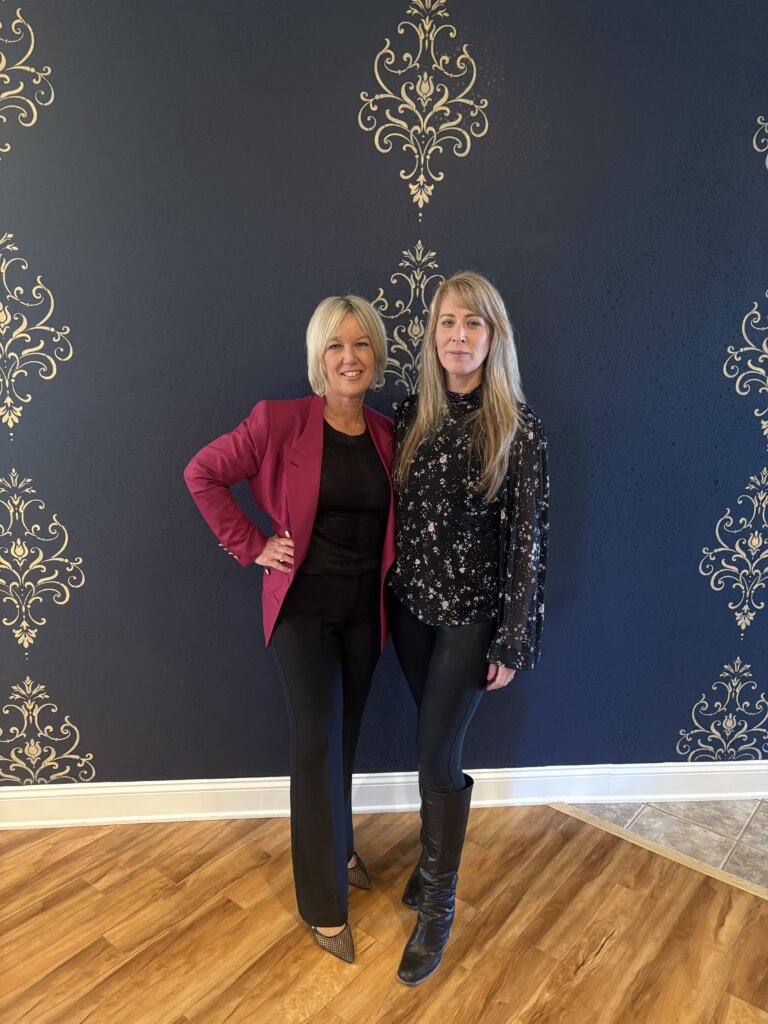
Ep 134- Why Framework and Systems Thinking Matter in Business Growth
Podcast: Play in new window | Download
Why Framework and Systems Thinking Matter in Business Growth

When most people hit a problem in business, they try to fix the visible symptom.
They tweak the offer.
They change the strategy.
They hire faster.
They push harder.
But often the real issue isn’t the symptom.
It’s the system underneath it.
In this episode of The Seed, I sat down with Nida Leardprasopsuk, a cultural transformation expert, executive coach, and founder of her own coaching and consulting practice, to talk about what it really means to use systems thinking in business.
And honestly, this conversation goes way beyond business.
Because the way we lead, build teams, solve problems, and create cultures is never just about tactics.
It’s about people.
What Is Systems Thinking in Business?
Systems thinking is the practice of looking beyond one isolated issue and instead examining how all the parts are connected.
In business, that means asking questions like:
-
What is really causing this problem?
-
What patterns keep repeating?
-
What beliefs, behaviors, or structures are reinforcing it?
-
Where is there misalignment?
Rather than applying surface-level fixes, systems thinking helps leaders address the root cause.
That matters because most business problems are not random.
They are patterns.
And patterns live inside systems.
Why Surface-Level Fixes Usually Fail
Many companies try to solve issues by focusing only on what is easy to see.
For example:
-
low team morale
-
poor communication
-
lack of innovation
-
employee turnover
-
leadership bottlenecks
But those outcomes are usually the result of deeper misalignment.
A communication problem may actually be a fear-of-conflict problem.
A culture problem may actually be a leadership identity problem.
A growth problem may actually be an ecosystem problem.
That’s why systems thinking is so powerful.
It helps you stop treating symptoms and start examining structure.
The Pyramid Framework for Leadership and Growth
One of the most useful parts of this conversation was the framework Nida shared.
She described a six-level pyramid that can be used with individuals, teams, and organizations.
From top to bottom, the layers are:
-
Vision
-
Identity
-
Values and Beliefs
-
Capabilities
-
Behavior
-
Ecosystem
This framework shows that sustainable growth doesn’t come from fixing one behavior alone.
It comes from alignment across all levels.
For example:
If your vision is to build an innovative company, but your team is terrified of failure, then your values and beliefs are not aligned with your vision.
If your business goals require high-level leadership, but your ecosystem is filled with avoidance, dysfunction, or low standards, that disconnect will eventually show up in results.
Why Identity Shapes Everything
One of the biggest takeaways from this episode was the role of self-identity.
According to Nida, identity is often one of the most important layers in the framework because it influences everything else.
How you see yourself affects:
-
what you believe is possible
-
what skills you’re willing to learn
-
how you handle setbacks
-
how you lead others
-
what kind of culture you create
If someone believes they are capable, resilient, and able to learn, they approach challenges differently.
If someone’s identity is shaped by fear, conflict avoidance, or self-doubt, that will show up in leadership too.
And not just in subtle ways.
In ways that affect the whole business.
Founders Don’t Just Build Companies. They Build Family Systems.
This was one of the most powerful ideas in the conversation.
Nida talked about how founders often bring their family systems into their businesses.
If a leader grew up avoiding conflict, they may avoid difficult conversations at work too.
If a leader overfunctions, constantly fixing everything themselves, they may unintentionally create a culture where everyone else underfunctions.
That means company culture isn’t just built from values written on a wall.
It’s shaped by the behaviors leaders repeat.
And those behaviors often come from much deeper places than people realize.
Why Conflict Avoidance Costs More Than People Think
Many leaders think avoiding conflict is the easier path.
They don’t address poor performance.
They don’t give direct feedback.
They stay quiet to keep the peace.
But avoiding a hard conversation rarely saves time or energy.
It usually creates:
-
repeated mistakes
-
lower standards
-
team resentment
-
leadership frustration
-
long-term cultural dysfunction
What feels like a small issue today can become an expensive pattern tomorrow.
That’s why honest communication and systems awareness matter so much.
The Role of Ecosystem in Growth
One of the things I loved most about this framework was that the ecosystem sits at the base.
Because no matter how strong your vision is, the environment around you matters.
Your ecosystem includes:
-
the people you work with
-
the community you’re part of
-
the standards around you
-
the kind of conversations happening in your orbit
-
the culture you create and tolerate
We do not grow in isolation.
We grow inside environments.
And if your ecosystem is misaligned with your vision, growth becomes much harder.
That’s true in business.
And honestly, it’s true in life too.
Why Organizational Change Takes Time
A lot of people want quick culture fixes.
But meaningful organizational change is not instant.
Nida shared that shifting a company culture can take three to five years.
That makes sense.
If it’s hard to change one personal habit, imagine changing patterns across a team, department, or whole company.
Real change requires:
-
reinforcement
-
repetition
-
systems
-
buy-in
-
aligned leadership
There is no shortcut for that.
What Strong Leaders Actually Do
Strong leaders do more than solve immediate problems.
They:
-
examine patterns
-
create alignment
-
gather feedback
-
build honest cultures
-
strengthen ecosystems
-
help people grow
And sometimes that means hearing hard truths.
Nida spoke about using tools like 360 assessments to collect honest feedback from the people around a leader.
Because growth is hard when your self-perception and others’ lived experience of you don’t match.
That kind of truth can be uncomfortable.
But it’s often where real transformation begins.
The TEDx Connection: Ideas Worth Sharing
Another fascinating part of this conversation was hearing how Nida also licensed and leads her own TEDx in Bangkok.
That project is deeply aligned with the rest of her work.
Because at its core, TEDx is also about systems, people, communication, and change.
It’s about surfacing important ideas.
Amplifying voices.
Creating ripple effects.
This year’s TEDx theme, Unmute the Future, centers around truth, voice, and the conversations we need to have if we want to solve larger societal problems.
And that idea fits beautifully with everything else we discussed.
Because change often starts with one person speaking honestly.
Then another listening.
Then another carrying that idea forward.
Why This Episode Matters
This episode is really about more than business frameworks.
It’s about understanding that growth is never just tactical.
It’s relational.
Emotional.
Structural.
Behavioral.
Human.
If you are leading a team, building a business, managing a company culture, or even trying to become a stronger version of yourself, systems thinking matters.
Because when you understand how the parts connect, you stop reacting to every isolated problem.
And you start building something stronger at the root.
Listen to the Full Episode of The Seed Podcast
This is a thoughtful, grounded conversation for anyone interested in understanding themselves on a deeper level.
You can also explore:
-
Leadership insights
-
Business growth strategies
-
Honest conversations about entrepreneurship
inside The Patch Community at Dandelion-Inc.
Progress isn’t about perfection.
It’s about showing up messy, brave, and real — one seed at a time.
And if you’re feeling overwhelmed, behind, or like your time is constantly slipping through your fingers, it’s not because you’re doing it wrong.
It’s because no one ever taught you how to manage time in a way that honors:
-
Energy
-
Priorities
-
Real life
 That’s why I host my live-only Time & Productivity Session — focused on implementation, not theory.
And if you’re craving connection, accountability, and honest conversations about building something that lasts, you’ll find that inside The Patch, the Dandelion-Inc membership.
Because staying in the game?
That’s the work — and it’s enough.